Legacy represents the lasting impact of an institution or individual—it’s the mark left on future generations. For a school like BMIS, a legacy is built through the values instilled in its students, the accomplishments of its alumni, and its enduring contribution to the community. The 80th anniversary is significant because it’s not just a celebration of the past but a reflection on how far the school has come and a moment to envision the future. It’s a testament to BMIS’s resilience, adaptability, and commitment to educational excellence over eight decades.
BMIS is different and special because it’s more than just a school; it’s a close-knit community that fosters holistic development. What sets BMIS apart is its deep-rooted commitment to nurturing global citizens who are not only academically accomplished but also socially conscious and environmentally aware. The school’s diverse and inclusive environment encourages students to embrace different perspectives, which is essential in today’s interconnected world. Additionally, BMIS’s focus on sustainability and environmental impact demonstrates a forward-thinking approach that prepares students to face global challenges with responsibility and innovation.
The 80th anniversary is a moment to honor this legacy, celebrate the unique qualities that make BMIS stand out, and recommit to the values that will continue to guide the school into the future.
Adrian Moody
Director (2023 – Present)
The Timeline
1944 – 1960
1960 – 1980
1980 - 2000
2000 - 2020
2020 – Present
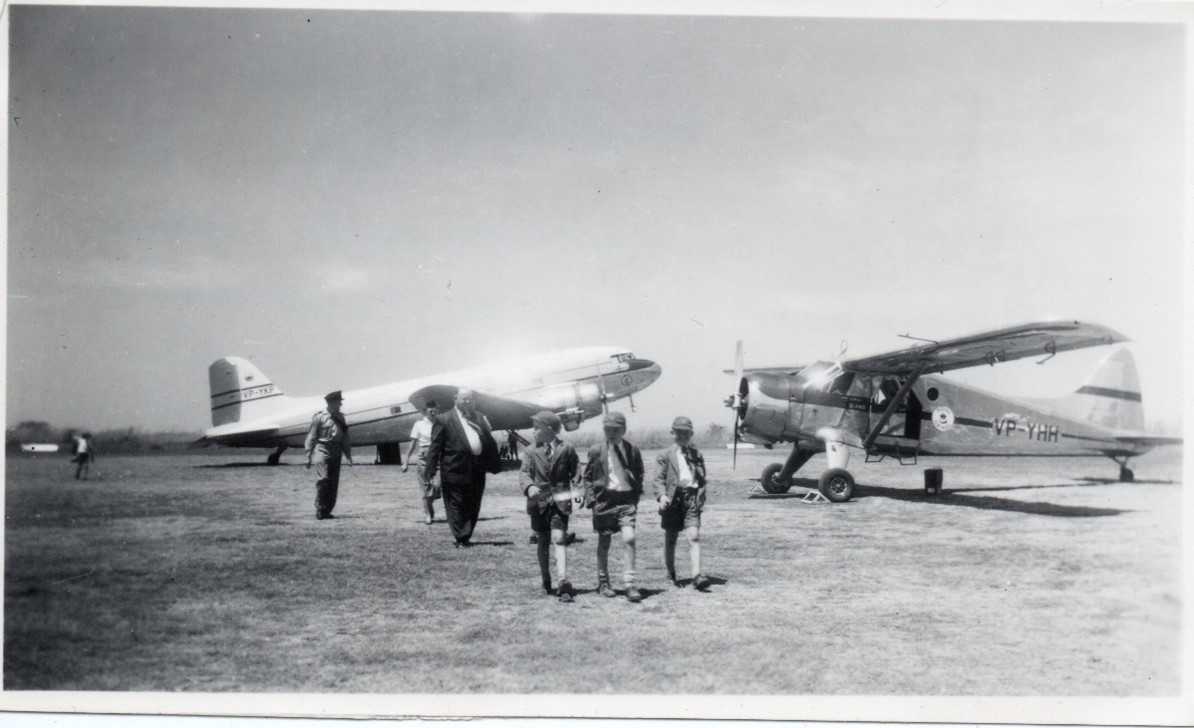
The Lilongwe European School was founded in 1944, the 12 students and one teacher met at the Lilongwe Golf Club – a wedding present from A.F. Baron to his golf-loving wife.
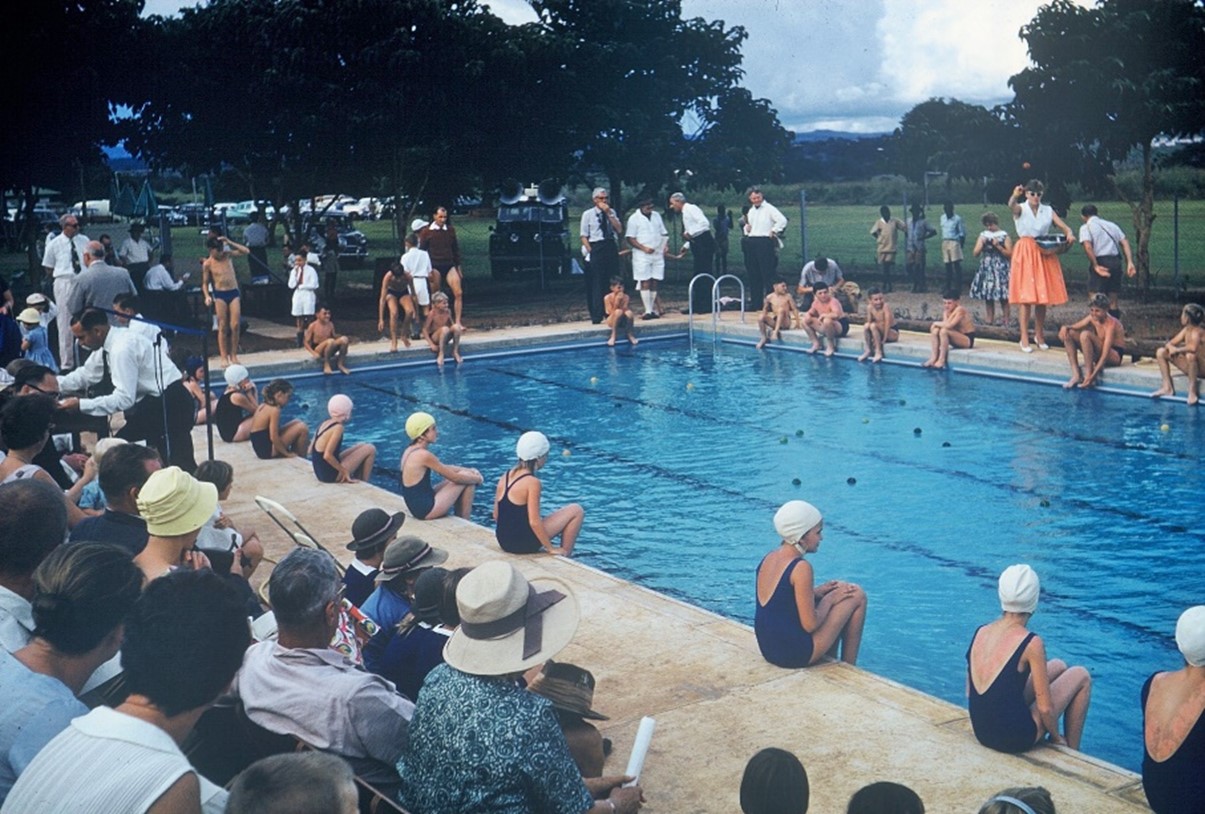
As the federation dissolved and independence drew near, the school was renamed Bishop Mackenzie, in honour of the late Bishop Charles Mackenzie. His legacy of freedom, equality, and resistance was reflected in the school’s new name.
A period of rapid expansion and transition, the late 20th century brought new curriculums, infrastructure and governance to the school – characterised by BMS’s independence from the Designated Schools Board.
At the turn of the millennia, BMIS further embraced it’s international legacy, establishing itself as an international school through accreditation and a shift towards the International Baccalaureate (IB) program, across the school.
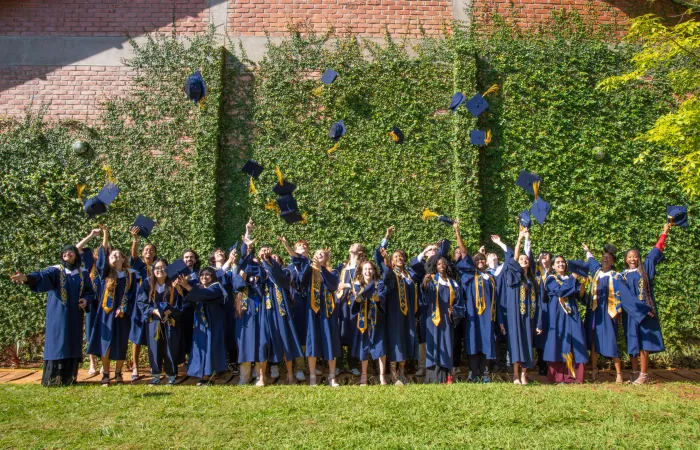
The COVID-19 pandemic ushered the school into unusual times, highlighting the resilience of BMIS’ students, staff, and community; resilience that has since fuelled new growth and strength.